






Understanding Jueteng and Its Socio-Economic Impact
Understanding Jueteng and Its Socio-Economic Impact
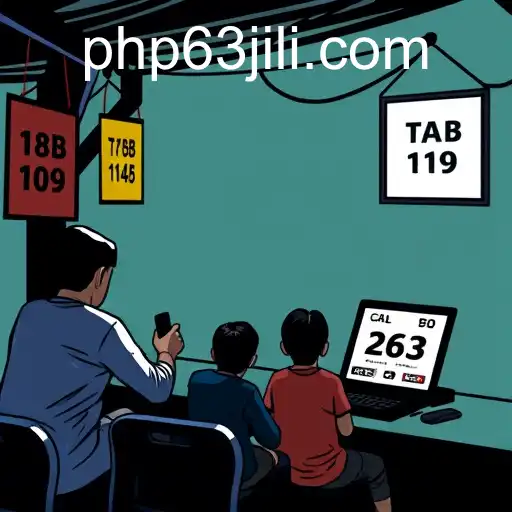
Jueteng is a popular numbers game in the Philippines, offering a fascinating lens through which to explore the intersection of culture, economy, and legality. Often considered a form of illegal gambling, jueteng is embedded in Filipino society, particularly in rural areas. As we delve deeper into its nuances, we will consider both its historical roots and current implications for Filipino communities.
The Historical Roots of Jueteng
The origins of jueteng date back to the Spanish colonial era when it was introduced as a lottery-like endeavor. Initially utilized by colonial authorities to generate revenue, jueteng gradually became part of the local culture, transcending its original purpose. Over time, it evolved into the clandestine activity we know today, deeply woven into the socio-cultural fabric of the Philippines.
The Mechanics of Jueteng
The mechanics of jueteng are relatively simple, contributing to its widespread popularity. Players select a combination of two numbers and place bets on them, hoping their selected numbers will be drawn. A typical draw takes place multiple times throughout the day, heightening the excitement and anticipation among participants. The odds and payouts are managed by local coordinators, known as "kubradores" and "cabos," who ensure the smooth operation of the game.
The Role of PHP63.com in Jueteng
In recent years, the emergence of online platforms has transformed many traditional activities, including jueteng. Websites like PHP63.com have begun to digitize the process, allowing for broader reach and accessibility. Although the core principles remain similar, the digital transformation represents a significant shift in how the game is played and managed. Moreover, online platforms bring regulatory challenges and questions about digital security, which are crucial for stakeholders to address.
Socio-Economic Dynamics of Jueteng
Despite its illegal status, jueteng remains deeply embedded in many communities across the Philippines, presenting socio-economic implications. For many, the game serves as a social equalizer, offering a glimmer of hope for financial stability. In regions where poverty is prevalent, jueteng acts as a temporary escape from economic hardships.
The Economic Impact
Economically, jueteng provides a source of income for those involved in its operation. The industry's informality does not negate the extent to which it supports livelihoods, from the players to the operators. However, its unregulated nature means these economic benefits do not translate into formal economic growth for the national economy.
Challenges and Criticisms
Despite providing economic opportunities, jueteng is not without its challenges. Criticisms often focus on its contribution to corruption, as the lack of regulation permits local officials to exploit the situation. Moreover, because it is illegal, jueteng operators and players operate in a precarious legal position, vulnerable to arrest and exploitation. The game also diverts attention from formal employment opportunities and education, perpetuating a cycle of financial dependence and poverty.
Legal and Regulatory Considerations
The operation of jueteng within the legal gray area has led to ongoing debate about its regulation. While some argue for its legalization as a means to generate tax revenue and reduce corruption, others believe it would exacerbate existing socio-economic issues. Philippines' law enforcement faces challenges in fully eradicating jueteng, primarily due to its deep-rooted community presence and cultural acceptance.
Efforts to Combat Illegal Gambling
The government has occasionally initiated crackdowns on jueteng, often to limited avail. These efforts are typically met with resistance from communities where the game is deeply entrenched. Instead of outright bans, some suggest more holistic approaches that address underlying socio-economic issues, such as poverty and unemployment, which drive the jueteng industry.
The Future of Jueteng and PHP63.com
As digital platforms like PHP63.com begin to influence how jueteng operates, the future of the game remains uncertain. Digitalization offers a unique opportunity to regulate the industry and potentially integrate it into the formal economy. However, this transformation also necessitates robust legal frameworks and digital security measures to protect users and ensure fair play.
Conclusion
Jueteng remains a complex social phenomenon within the Philippines, reflecting broader societal themes of economic disparity, community bonds, and legal challenges. As institutions grapple with the intricacies of regulation and enforcement, the evolution of jueteng, both online and offline, will continue to shape its role in Philippine society. Understanding it requires a nuanced approach that considers history, economics, culture, and technology.
Explore CandyDreamsSweetPlanet on PHP63.com: A Sweet Adventure Awaits

Dive into the world of CandyDreamsSweetPlanet, a delightful and engaging game available on PHP63.com. Discover its unique features, gameplay mechanics, and rules in this detailed article.
2026-03-13
Exploring DiamondFort: The Enchanting World of Strategy and Adventure

Dive into the captivating realm of DiamondFort, a game that combines strategy, exploration, and action. Discover its gameplay, rules, and unique features.
2026-03-12
Exploring the Enigmatic World of BookofMystery: A Digital Adventure

Dive into the captivating universe of BookofMystery, a mesmerizing game that combines mystery and intrigue with engaging rules and gameplay.
2026-03-11
Exploring the World of FaCaiShen - A Comprehensive Guide

Dive into the captivating universe of FaCaiShen and unlock wealth with every spin. Learn about its rules, features, and how it stands out in the gaming world.
2026-03-10

 download apk/ios